

Communications
Paris France Communication
Print and digital communication: strategy, visual identity, web, video and signage around a shared message.
paris-france-communication.fr
Choose a profession close to your activity, then compare the goal, content to prepare and decision to make. These fictional scenarios help specify a need; they are not client references. The French and English versions let you compare up to three examples on the page.
Websites we have worked on across travel, publishing, communications and other sectors.
Print and digital communication: strategy, visual identity, web, video and signage around a shared message.
paris-france-communication.fr

Individual and group travel, with dedicated routes for businesses, employee committees and associations.
bdv.fr

Independent property oversight in Tampa Bay, with resources for HOA and condominium boards.
trustpoint-strategic-solutions.com

An international cybersecurity, artificial intelligence and technology portal, with analysis and practical guides.
cyber-intelligence-embassy.com

A publishing house with a catalogue, author journey information and guidance on publication and distribution.
editions-verone.com

An independent portal about institutions, elections and citizenship, with a glossary and territorial reference points.
internet-politique-france.fr

Flight search by airport, dates and cabin, with destinations, airlines and dated fare reference points.
voldiscount.com

Website creation and redesign for restaurants, accommodation, shops and craftspeople on the Côte Fleurie.
internet-cote-fleurie.fr

A catalogue and new literary releases, with editorial team profiles, author support and media news.
lestroiscolonnes.com

Self-publishing and editorial services: proofreading, layout, cover design, distribution and book presentations.
rivoli-paris.fr

Airport solutions: white-label flights, direct-flight calendars, booking and customised reporting.
airport-solutions.resaneo.world

A catalogue of novels, poetry and essays, with new bookshop releases and author profiles.
editions-baudelaire.com

A humanitarian directory by cause and origin, with official organisation links and guidance on getting involved.
world-humanitarian-guide.com

A publisher presenting new literary voices, novels, biographies, essays and manuscript submissions.
editions-flaubert.com

Flight and holiday search, with information about destinations, airlines and transport options.
monde-du-voyage.com

Tourism B2B solutions: distribution, booking, integrations and customer experience, with tool profiles and comparisons.
performance-voyage.com

Open-source intelligence, cyber monitoring, online reputation and due diligence, with research methods and guides.
internet-intelligence-service.com
Professions, goals and common needs that visitors can easily compare with their own project, whether they are independent professionals, retailers, artists or business owners.
Showcase website, online shop, blog, portal, redesign or custom development: each need calls for a clear solution that can evolve over time.
Each example keeps the same goal in mind: a clear, fast, reassuring and well organised website that helps the right people find you.
Each card presents a profession, a goal and a practical situation, with enough detail to imagine what a useful website could bring to that activity.
Choose up to three profession scenarios using their comparison buttons. Compare the goal, content, decision and acceptance question. These are illustrative project scenarios rather than completed client assignments.
No scenario selected. Choose a first example below.
On a small screen, scroll the comparison horizontally to read all the selected scenarios. Your selection is kept when you filter the cards; it lasts only on this open page.
Start with the task closest to your real visitors. A shared feature name, such as booking, can hide different rules: a request awaiting approval and a confirmed slot require different information and checks. Identify the facts you can supply and who will keep them current before choosing the first release.
200 scenarios shown
No scenario matches this search.Try a broader need such as quote, booking, sales or information.

Goal: Website for a family seaside hotel.
Content to prepare: Present each room category with beds, capacity and its actual amenities. For a sample stay, separate the room price, included services and extras, matching photographs to the requested category.
Decision to make: Choose the availability source and booking approver. Define how discrepancies with another booking channel are handled.
Acceptance question: Can a family check actual room capacity, dates and the stay price before sending an enquiry?

Goal: Direct booking website for countryside rooms.
Content to prepare: Distinguish rooms by layout, shared areas and arrival conditions. State included services and requests to discuss with the host rather than inferring them from a general photograph.
Decision to make: Decide whether visitors request a specific room or state a preference. Confirm dates, room and conditions before calling it a booking.
Acceptance question: Does the enquiry identify the requested room and explain that the host still needs to confirm the dates?
Goal: Website to present accommodation and receive enquiries.
Content to prepare: Describe each cottage’s capacity, beds, amenities and stay conditions. Match photographs to the accommodation and explain arrival days and minimum stays where they restrict date selection.
Decision to make: Choose between an enquiry and a confirmed booking. Define what happens when available dates fail the minimum-stay rule.
Acceptance question: Can a visitor distinguish cottage capacity, sleeping arrangements and shared facilities before choosing a stay?

Goal: Seasonal website for pitches, services and prices.
Content to prepare: Separate pitches from equipped accommodation, showing useful dimensions, included services and opening periods. Prepare a sample stay that reveals the supplements actually applicable.
Decision to make: Assign seasonal rate and opening updates, and decide how to handle a stay that extends beyond the closing date.
Acceptance question: Do pitch dimensions, hookups and the opening season remain visible when the visitor chooses dates?

Goal: Showcase website for family stays and availability requests.
Content to prepare: Present accommodation categories with capacity, layout and category-specific amenities. Separate included services, optional extras and services available only during certain periods.
Decision to make: Decide whether visitors select a specific unit or a category. Explain who confirms allocation and any special requests.
Acceptance question: Do the displayed accommodation, included services and supplements match the category actually requested?

Goal: Public portal for activities, events and accommodation.
Content to prepare: For each place or activity, gather address, hours, validity period and information source. Distinguish confirmed details from information still awaiting the organiser’s verification.
Decision to make: Assign updates and removal of cancelled events. Keep archived records distinct from the upcoming programme.
Acceptance question: Is an expired event clearly distinguished from upcoming outings, with a source and a checking date?

Goal: Website for private visits and tailor-made routes.
Content to prepare: Describe tours with meeting point, duration, offered languages and guide-approved practical conditions. Separate standard and customised routes, identifying details that can change before departure.
Decision to make: Confirm language, group and requested route. Distinguish a suggested itinerary from an engagement with an accepted date.
Acceptance question: Can a visitor find the meeting point, duration and tour conditions before contacting the guide?

Goal: Travel advice website for personalized requests.
Content to prepare: Describe destinations and actual advisory services, with the information needed initially: possible dates, participants, departure point and main constraints. Label sample journeys as possibilities to explore.
Decision to make: Choose essential first-contact information without requiring a complete dossier. Distinguish a personalised proposal, estimate and confirmed trip.
Acceptance question: Does the requested itinerary retain dates, included services and items still awaiting confirmation?

Goal: Practical website for prices, routes and bookings.
Content to prepare: Prepare bicycle categories, sizes, included equipment and collection and return locations. Explain rental-duration calculation and any offered return to a different location.
Decision to make: Decide whether availability refers to a category or a particular bicycle. Validate size and required accessories before confirming.
Acceptance question: Does bike selection identify size, duration, supplied equipment and return location without confusing enquiry with booking?

Goal: Seasonal website for lessons, camps and registrations.
Content to prepare: Present lessons and courses with audience, stated level, duration and supplied equipment. Explain meeting points, schedules and notices when conditions change the organisation.
Decision to make: Assign group and availability approval. Explain when a requested session, location or time still awaits confirmation.
Acceptance question: Does the selected lesson specify level, supplied equipment and what happens if conditions prevent the session?

Goal: Personal website for schedule, levels and contact.
Content to prepare: Present individual and group lessons, accepted levels, meeting points and required equipment. Explain confirmation and how changes in location, time or activity conditions are communicated.
Decision to make: Choose how to assess the requested level before acceptance. Separate a preferred time from an instructor-confirmed appointment.
Acceptance question: Can a group check level, participant count, meeting point and duration before requesting a lesson?

Goal: Association website for outings, safety and registrations.
Content to prepare: Separate club membership, one-off outings and visitor activities. For each outing, gather audience, location, duration, supplied equipment and participation information approved by its organiser.
Decision to make: Assign acceptance and participation checks. Plan programme changes without leaving the previous meeting details active.
Acceptance question: Does the selected route retain the departure point, participation conditions and contact for confirming the outing?
Goal: Website for menu, opening times and bookings.
Content to prepare: Publish the current menu as text, with kitchen hours, access and reservations. Separate regular offers, service-specific menus and group requests, with food information approved by the restaurant.
Decision to make: Choose one reference for menu updates. Check corrections across menus, previews and other visitor-accessible versions.
Acceptance question: Is a menu change reflected in prices, service times and information approved by the restaurant?
Goal: Local website for daily menus and private events.
Content to prepare: Prepare a dated, readable menu and kitchen hours, distinguishing them from opening hours where needed. Explain access and reservations, including requests for a large table.
Decision to make: Assign menu maintenance and exceptional-closure notices. Decide how enquiries received during service will be answered.
Acceptance question: Is the lunch menu dated and identifiable separately from the permanent menu, including on a phone?
Goal: Showcase website for groups, events and contact.
Content to prepare: Distinguish lunch, evening and any group offers with their applicable times and conditions. Link each menu to its current version rather than an undated photograph.
Decision to make: Decide whether booking rules differ by service. Preserve group requirements through to the reply.
Acceptance question: Can a customer distinguish bar hours from kitchen hours before requesting a table?

Goal: Local ordering website and recipe presentation.
Content to prepare: Prepare recipes, sizes, options and actual ordering channels. For collection or delivery, state slots, coverage and components of the amount shown when choosing.
Decision to make: Confirm timing and availability before accepting. A requested time must not appear as guaranteed preparation time.
Acceptance question: Does pizza selection retain size, options, price and collection method through order confirmation?

Goal: Mobile website for locations, calendar and events.
Content to prepare: Publish dated stops with exact locations and times, separate from an administrative address. Prepare the current menu and explain advance orders or private hire where actually offered.
Decision to make: Assign route-change and cancellation updates. Decide what happens to existing orders when a stop changes.
Acceptance question: Does today’s advertised location match the actual day, hours and collection point?

Goal: Website for weddings, seminars and quote requests.
Content to prepare: Separate event formats, expected guest numbers and services such as preparation, delivery, setup or staffing. Prepare questions about venues, times and food requirements for the team.
Decision to make: Choose initial quotation inputs and later clarifications. Confirm scope and organisation before claiming the service is booked.
Acceptance question: Does the quote request pass on date, venue, guests and relevant constraints without claiming the event is already accepted?

Goal: Elegant website for rooms, treatments and stay offers.
Content to prepare: Separate overnight stays, spa access and appointment-based treatments. For each package, identify included services, applicable times and components requiring separate confirmation.
Decision to make: Decide whether room and spa services are booked together. A confirmed room must not imply an unavailable treatment is guaranteed.
Acceptance question: Do a room booking and a treatment enquiry retain their separate availability and conditions?

Goal: Seasonal website for flavors, opening times and sales points.
Content to prepare: Present serving formats, changing flavour availability and seasonal hours. For special orders, explain required information and the preparation time the team must confirm.
Decision to make: Decide whether flavours are indicative or maintained as current stock. Provide an explicit response when a selection is unavailable.
Acceptance question: Do flavours marked available match the selected outlet and day, without inferring ingredients from a photo?

Goal: Showcase and simple shop for gourmet collections.
Content to prepare: Present references, formats and assortment contents with approved product information. Separate current products, seasonal collections and custom orders, including collection, shipping and timing to confirm.
Decision to make: Approve assortments and personalised packaging. Obtain agreement to replacement contents before confirming an order.
Acceptance question: Does a gift box show the quantity, approved ingredients and collection arrangements for the exact variant selected?

Goal: Local website for special breads, orders and hours.
Content to prepare: Separate regular products, day-specific items and prepared orders. State collection location and time, including calendar changes approved by the bakery.
Decision to make: Choose a request deadline and confirmation process suited to production. A late request must not appear already accepted.
Acceptance question: Does a special order distinguish collection day, quantity and products awaiting confirmation?

Goal: Website to present creations and custom requests.
Content to prepare: Describe regular ranges and made-to-order creations with servings, formats and customisation. Prepare useful questions about date, collection and requirements to discuss with the bakery.
Decision to make: Separate directly orderable products from requests needing discussion. Confirm feasibility and timing before claiming a custom creation is booked.
Acceptance question: Does a cake quote retain servings, date, customisation and food information requiring approval before acceptance?

Goal: Website for products, platters and advice.
Content to prepare: Separate individual products, platters and special orders, with quantities or serving numbers as appropriate. Prepare preparation, collection and store-confirmation information.
Decision to make: Adapt contents to actual availability. Make confirmed items distinct from suggestions in the summary.
Acceptance question: Does a cheese price state the sales unit and weight, together with availability of the selected product?

Goal: Local website for orders, specialties and hours.
Content to prepare: Present regular products, prepared orders and box formats with clear contents and weight information. Distinguish fixed details from those dependent on preparation and availability.
Decision to make: Choose how to confirm contents, quantity and final amount. Obtain agreement before substitutions change the original request.
Acceptance question: Does a platter or order specify quantity, preparation, date and collection method for the shop to confirm?

Goal: Local website for arrivals, orders and recipes.
Content to prepare: Date arrival information and explain preparation options, useful quantities and collection hours. Keep illustrative photographs distinct from confirmed product availability.
Decision to make: Assign product and preparation confirmation. Explain what happens if supplies change before agreeing a replacement.
Acceptance question: Can the day’s arrivals be updated promptly, distinguishing advertised availability from an accepted order?

Goal: Showcase website for wine selection, workshops and advice.
Content to prepare: Prepare records with references, formats, documented origin and channel-specific availability. Separate editorial advice from the details needed to identify the requested product precisely.
Decision to make: Choose an indicative catalogue or availability-backed ordering. Present another reference or vintage as a proposed replacement.
Acceptance question: Does the listing distinguish vintage, format, price and availability of the bottle actually requested?

Goal: Commerce website for gift boxes, regional products and contact.
Content to prepare: Describe products, formats and gift-box contents, identifying what is actually included. Prepare collection or shipping details and flag contents that may change before acceptance.
Decision to make: Decide how to approve a box when one product is missing. Distinguish guaranteed contents from an illustrative suggestion.
Acceptance question: Do gift-basket contents, possible substitutions and price remain consistent between listing and order?

Goal: Presentation page for market calendar and orders.
Content to prepare: Publish markets and sales points with days, locations and attendance periods. Separate available produce, expected harvests and seasonal examples, dating week-to-week information.
Decision to make: Assign pre-market attendance and availability updates. Handle existing orders when produce or collection locations change.
Acceptance question: Is a market or opening-time change visible on the producer’s page before the visitor’s next trip?

Goal: Website for visits, vintages and direct sales.
Content to prepare: Separate the estate presentation, product records and offered visits. For visits, specify dates, language, duration and audience; tie product claims to verifiable information.
Decision to make: Provide distinct purchase, visit and trade-contact journeys. Distinguish a visit enquiry from a confirmed booking.
Acceptance question: Does a tasting enquiry distinguish the visit, participant count and an actually confirmed booking?

Goal: Brand website for beers, story and points of sale.
Content to prepare: Present ranges with formats, availability and approved characteristics. Separate sales, visits and events with their own dates and conditions, matching imagery to the relevant product or activity.
Decision to make: Manage sold-out batches and replacements. A product retained for presentation must not remain accidentally orderable.
Acceptance question: Does a beer listing connect format, approved characteristics and availability to the exact product offered?

Goal: Website for direct sales, baskets and news.
Content to prepare: Present produce, sales locations and actual schedules. Link certification claims to their verifiable scope, and distinguish available products, expected seasons and examples from previous years.
Decision to make: Assign availability and collection-point updates. Plan notices to existing participants when produce or a distribution changes.
Acceptance question: Does an organic claim relate to the activities and products actually covered, with information the farm can verify?

Goal: Local website for subscriptions, baskets and pickup points.
Content to prepare: Describe boxes, frequency, stated quantities and variable contents. Prepare distribution dates, collection points and pause or change arrangements, assigning information owners.
Decision to make: Notify subscribers of harvest or collection changes. Distinguish sample boxes from confirmed contents for a specific distribution.
Acceptance question: Can a subscriber understand changing basket contents and find the collection point for the next delivery?

Goal: Website for honey, markets and workshops.
Content to prepare: Prepare offered harvests and formats with documented origin, quantity and current availability. For visits or on-site sales, identify the actual reception location and hours.
Decision to make: Decide how to display a sold-out harvest without accepting orders. Give a later harvest its own date and characteristics.
Acceptance question: Is each honey linked to its declared origin, pack size and price without treating an illustration as harvest evidence?

Goal: Heritage website and shop for local products.
Content to prepare: Separate oil sales, visits and any processing service. Present formats, origins and reception periods; explain what information is needed before accepting a processing request.
Decision to make: Give each request its own initial path. A visitor calendar must not implicitly book a technical service.
Acceptance question: Does an oil show the volume and characteristics of the product sold, separately from the mill’s general story?

Goal: Website for school visits, families and bookings.
Content to prepare: Separate family visits, groups and workshops by accepted ages, duration, schedule and practical information. Identify supervised activities, reception locations and organiser-approved participation conditions.
Decision to make: Confirm numbers and activities before arrival. Give groups visit-specific instructions, including after programme changes.
Acceptance question: Can a family or class find accepted ages, duration, access and booking conditions for the selected activity?

Goal: Local website for bouquets, events and orders.
Content to prepare: Present bouquet styles, formats and budgets with labelled examples. Explain collection, actual delivery coverage and required date and recipient information.
Decision to make: Choose between an exact composition and an interpretation using available flowers. Confirm substitutions affecting an essential requirement.
Acceptance question: Does the ordered bouquet specify size, budget, delivery area and possible substitutions before approval?

Goal: Specialized website for arrangements and quote requests.
Content to prepare: Prepare composition types, service locations, authorised examples and delivery stages. Distinguish flowers, installation, accessories and any collection so the quotation’s scope is clear.
Decision to make: Identify quotation inputs: date, locations, quantities and installation constraints. An initial enquiry does not automatically hold availability.
Acceptance question: Does the form distinguish wedding date, delivery venues, floral services and items still to be priced?

Goal: Website for seasonal catalogues and garden advice.
Content to prepare: Prepare plant records with identification, offered sizes and checked availability. Contextualise nursery-approved planting information, separating example photographs from actual offered specimens.
Decision to make: Confirm reference, size and quantity before travel or ordering. Do not silently replace the requested plant with another available variant.
Acceptance question: Is a plant described by variety, sales dimensions and availability without applying identical characteristics to every item?

Goal: Presentation website for gardens, terraces and maintenance.
Content to prepare: Separate design, installation and maintenance with deliverables and limits. For shown projects, explain initial conditions, exact contribution, stages and image permissions.
Decision to make: Define required inputs and visits before proposing work. Separate design, implementation and follow-up so quotations do not imply unplanned services.
Acceptance question: Does each project distinguish design, planting and maintenance, with an accurate role and authorised photographs?
Goal: Local website for small jobs, contracts and contact.
Content to prepare: Separate one-off work from regular maintenance, showing tasks, frequency and coverage. Prepare useful details on area, access, garden condition and any included waste removal.
Decision to make: Define when a site visit is needed before quoting. Keep a requested frequency provisional until the working schedule is confirmed.
Acceptance question: Can a visitor distinguish regular maintenance from a one-off visit, including coverage and scheduling arrangements?
Goal: Quote request website for construction and maintenance.
Content to prepare: Present construction, renovation and maintenance with stages, coverage and on-site assessment needs. Separate authorised project images, equipment options and site-dependent outcomes.
Decision to make: Separate initial scoping from matters requiring a visit. A visual simulation must not imply technical feasibility has been approved.
Acceptance question: Does the enquiry distinguish pool construction, renovation and maintenance before requesting the relevant technical information?

Goal: Professional portfolio for homes, renovations and competitions.
Content to prepare: Present projects with brief, context, commissioned scope and the practice’s exact role. Match plans and photographs to their stage, distinguishing design, construction and completed work.
Decision to make: Define publishable material and required permissions. Label competition or design images so they do not imply a completed building.
Acceptance question: Does a project identify the practice’s role, the stage shown and image creators without attributing the whole project to the practice?

Goal: Showcase website for interior projects and appointments.
Content to prepare: Organise examples by space type, objectives, constraints and deliverables. Separate design, material selection and site follow-up, identifying other contributors and authorised images.
Decision to make: Define initial commissioned stages and client approvals. An atmospheric rendering must not replace agreed specifications.
Acceptance question: Can a visitor distinguish advice, design and works supervision, with the deliverables offered for each package?

Goal: Inspiring website for decorating support and services.
Content to prepare: Present packages with room coverage, consultation stages and specific deliverables. Distinguish mood boards, furniture selection and work coordination, using authorised examples for each service.
Decision to make: Define remote-service limits and required inputs. Specify included revisions before presenting a starting price.
Acceptance question: Does the service distinguish decorative proposals from actual supply of the displayed items, with captioned visuals?

Goal: Website for properties, valuation and contact.
Content to prepare: Prepare listing status, characteristics, authorised images and data origin. Separate property search, viewing requests and owner journeys, assigning update responsibility.
Decision to make: Define unavailable-listing update times and handling of existing enquiries. Saved searches must not present withdrawn offers as current.
Acceptance question: Is an unavailable property removed from search and handled properly when a visitor opens its old address?

Goal: Personal website for local area and properties.
Content to prepare: For each property, gather current status, verified characteristics, authorised photographs and contact details. Separate property seekers from owners requesting representation.
Decision to make: Identify the listing source and handling of unavailable properties. A viewing request must not appear to be an approved appointment.
Acceptance question: Is the contact for a listing routed to the correct person, retaining the property reference in the enquiry?

Goal: Information website for services, management and requests.
Content to prepare: Separate public service information from owner-only operations. Explain commercial contact, routine follow-up and situations requiring the management team’s designated channel.
Decision to make: Decide which functions require protected access. Assign request handling without publishing a building’s private documents.
Acceptance question: Can a public enquiry be routed without exposing a condominium’s private documents?

Goal: Professional website for owners and tenants.
Content to prepare: Separate owner services from tenant information. Describe tenant search, management and interventions only within the actual service scope, with package limits.
Decision to make: Route applications, management enquiries and tenancy issues separately. Keep private documents within the agreed case-handling process.
Acceptance question: Do owner and tenant journeys lead to suitable contacts and information without mixing private case records?

Goal: Quote website for inspections and intervention times.
Content to prepare: Present services with scope, input documents and appointment stages. Verify stated qualifications and separate general information from building- or case-specific details.
Decision to make: Scope enquiries before quoting rather than automatically inferring required services from a property type. Confirm with the appropriate professional.
Acceptance question: Can a visitor describe property type, location and need before a survey or price is confirmed?

Goal: Showcase website for programs and enquiries.
Content to prepare: Present developments with location, progress and dated availability. Match plans and visuals to their actual status, separating illustrations, possible options and confirmed unit characteristics.
Decision to make: Assign the source of unit availability and changes. An information or appointment request must not imply a unit is reserved.
Acceptance question: Does a property development distinguish available units, project stages and provisional dates from confirmed commitments?
Goal: Professional website for studies, audits and advice.
Content to prepare: Present studies with relevant building types, required inputs and deliverables. Keep assumptions, scope and technical validation alongside any numerical example.
Decision to make: Choose initial scoping information. Distinguish a preliminary estimate, completed study and outcomes dependent on future work or usage.
Acceptance question: Does a study state assumptions, the building assessed and result limitations rather than promising universal savings?

Goal: Website for renovation, site follow-up and contact.
Content to prepare: Describe offered stages such as scoping, consultation, coordination or supervision. For authorised examples, identify the exact contribution and other participants rather than claiming all work.
Decision to make: Define included stages and client approvals. Partial involvement must not appear to cover the entire building project.
Acceptance question: Does the scope distinguish design, coordination and supervision, with participants and approvals identified at each stage?

Goal: Quote website for apartments, houses and business premises.
Content to prepare: Separate renovation types, stages, limits and partner contributions. Contextualise shown work and publishable images, and prepare useful information for an initial visit.
Decision to make: Establish scope after examining the site. A price shown for one example must not become an automatic estimate for another situation.
Acceptance question: Does the quote enquiry retain rooms concerned, initial condition and proposed works without promising a price before assessment?

Goal: Local website for building work, extensions and repairs.
Content to prepare: Present work types with materials, site access and assessment stages. Separate client-supplied information from matters requiring survey or technical approval.
Decision to make: Define enquiry, visit and quotation stages. Contact availability must not imply an agreed construction start date.
Acceptance question: Does a project explain the structure type, the company’s contribution and constraints of the work shown?

Goal: Trade website for frameworks, timber extensions and quotes.
Content to prepare: Prepare structure types, materials and inputs for an initial assessment. Distinguish supplied plans, dimensions requiring checks and illustrative photographs in project presentations.
Decision to make: Separate document-based enquiries from those requiring a visit. An indicative lead time must not imply a reserved construction slot.
Acceptance question: Do photographs distinguish frame manufacture, installation and restoration, with the actual work scope identified?

Goal: Local website for roofing, emergencies and maintenance.
Content to prepare: Separate maintenance, problem investigation and replacement, with useful building and access information. Present genuine coverage and contact arrangements.
Decision to make: Distinguish urgent requests from planned quotations. State an approved response expectation without promising immediate attendance.
Acceptance question: Can a visitor distinguish an urgent leak, maintenance and reroofing, including contact hours and service area?

Goal: Local website for repairs, installation and maintenance.
Content to prepare: Separate repairs, maintenance and installation, identifying supported equipment and coverage. State hours and routing information without asking visitors to perform technical procedures.
Decision to make: Separate urgent contact from deferred enquiries. Receipt confirmation should explain next steps without claiming a diagnosis or unapproved appointment.
Acceptance question: Does a delayed-response form avoid promising immediate attendance, particularly outside advertised hours?

Goal: Fast request website for works, repairs and compliance.
Content to prepare: Separate installation, maintenance and fault investigation by building and equipment context. Explain routing information, coverage and actual working hours.
Decision to make: Define qualification and site-visit needs. The form should neither diagnose automatically nor ask visitors to perform technical procedures.
Acceptance question: Does the enquiry distinguish a fault, installation and an upgrade, with an appropriate contact and next step?

Goal: Emergency and service website for homes and shops.
Content to prepare: Separate access assistance, repairs and replacement with coverage and contact arrangements. Contextualise approved pricing information, distinguishing estimates, stated charges and checks before work.
Decision to make: Provide suitable urgent and deferred contact paths. A received message must not promise immediate attendance.
Acceptance question: Can a visitor understand response hours and initial-estimate conditions before calling about a door opening?

Goal: Showcase website for windows, doors and verandas.
Content to prepare: Present product families with dimensions, options and constraints to assess. Separate visual examples from feasible configurations and identify inputs needed before measurement.
Decision to make: Define what indicative pricing includes and what needs an on-site survey. Approve the configuration before ordering.
Acceptance question: Does the displayed product specify dimensions, options and installation conditions without treating an illustrative visual as an approved order?

Goal: Artisan portfolio for custom furniture and restoration.
Content to prepare: Present furniture creation, repair and adaptation with stated woods, finishes and stages. Distinguish available pieces, commissions and restoration, identifying the workshop’s actual contribution.
Decision to make: Define measurements and discussions needed before proposing work. An inspiration photograph does not approve dimensions, material or exact reproduction.
Acceptance question: Does the project distinguish an available piece, bespoke work and restoration, with documented materials and dimensions?

Goal: Local website for renovation, facades and quotes.
Content to prepare: Describe work by area, surface condition and included preparation. Explain the contribution shown in photographs, distinguishing colour selection from exact screen reproduction.
Decision to make: Decide when surfaces need inspection before quoting. Compare preparation, protection, finish and cleanup to identify differing scopes.
Acceptance question: Does the quote identify surfaces, preparation and finishes to assess rather than one price for every project?

Goal: Website for seats, curtains and advice.
Content to prepare: Present supported furniture or decoration types, stages and material options. Initial enquiries may include dimensions and photographs through the designated channel, without replacing examination.
Decision to make: Distinguish restoration, repair and creation. Confirm condition, fabric and finish before committing to final cost or timing.
Acceptance question: Does an upholstery enquiry identify the furniture, its condition and items to assess before confirming fabric and timing?

Goal: Information website for photovoltaic projects and appointments.
Content to prepare: Describe assessment stages, building inputs and actual offered equipment. For estimates, retain assumptions, period, source and limitations, and verify published qualifications and references.
Decision to make: Separate initial guidance from site-specific assessment. Illustrative estimates must not be presented as guaranteed returns for every building.
Acceptance question: Does a solar simulation distinguish building assumptions, an estimate and a result actually measured on an installation?
Goal: Quote website for comfort, savings and works.
Content to prepare: Present work types with relevant building areas, preparation and included finishes. Separate documented material properties, project examples and outcomes dependent on actual building conditions.
Decision to make: Scope constraints before surveying and quoting. Keep savings examples tied to their assumptions rather than generalising them.
Acceptance question: Does the page explain the relevant surfaces and constraints without promising performance before assessing the building?

Goal: Professional website for offices, shops and buildings.
Content to prepare: Separate regular cleaning, one-off work and restoration by premises, area and possible hours. State supplies, access, frequency and exclusions for each service.
Decision to make: Define pre-quotation visits and access responsibility. Equal floor area alone does not establish equivalent work scopes.
Acceptance question: Does the quote distinguish routine cleaning, deep cleaning and exclusions, with frequency and area to confirm?

Goal: Quote request website for homes and businesses.
Content to prepare: Prepare questions about origin, destination, volume, floors and access, including offered packing or assembly. Separate declared details from information needing verification before a proposal.
Decision to make: Confirm volume, access and date before commitment. Online estimates must not conceal unresolved route or property constraints.
Acceptance question: Does the enquiry pass on origin, destination, access and estimated volume without treating a provisional quote as a final commitment?

Goal: Practical website for units, prices and booking.
Content to prepare: Describe storage formats with usable dimensions, access arrangements and included services. Separate estimated volume, offered space and handling constraints when preparing an enquiry.
Decision to make: Confirm required space and entry date. A volume estimate must not be presented as guaranteed availability.
Acceptance question: Can a visitor distinguish usable volume, access conditions and storage duration before requesting availability?

Goal: B2B website for deliveries, routes and commercial contacts.
Content to prepare: Present transport services with coverage, accepted goods and required weight, dimensions and access information. Separate requested timing, options to assess and confirmed service conditions.
Decision to make: Qualify collection, delivery and required resources. Form acceptance of an address must not automatically establish transport feasibility.
Acceptance question: Does the shipment enquiry specify locations, dimensions, weight and handling constraints, explicitly flagging missing information?

Goal: Website for storage, preparation and distribution.
Content to prepare: Separate storage, preparation and shipping with flows, volumes and connected systems. Use a sample order and return to explain exchanged data and stage-specific responsibilities.
Decision to make: Define included services and exchanged information before integration. Distinguish transmitted, prepared and carrier-handed orders.
Acceptance question: Does the page distinguish storage, picking and transport, with volumes and interfaces to assess before promising an integration?

Goal: Local website for service, repair and appointments.
Content to prepare: Present services and supported vehicles with useful pre-drop-off information. Separate defined maintenance, prior inspection and additional work, explaining customer updates while the vehicle is retained.
Decision to make: Clarify whether booking reserves reception or confirmed workshop time. Obtain approval for work beyond the accepted initial scope.
Acceptance question: Does the customer message state whether the workshop slot is confirmed or still needs approval for the vehicle and service?

Goal: Trade website for claims, paint and quotes.
Content to prepare: Present repairs, supported vehicles and stages from initial contact to return. Identify useful enquiry photographs and details, distinguishing visible damage from workshop assessment.
Decision to make: Separate remote estimates from work needing inspection. An appointment request must not implicitly reserve a replacement vehicle.
Acceptance question: Does an assessment enquiry retain damaged areas and useful photographs without claiming an already accepted repair or price?

Goal: Showcase website for vehicles, financing and test drives.
Content to prepare: Prepare vehicle identity, configuration, availability and seller-approved information. Separate stock browsing, test-drive requests and proposals, each with its own confirmation.
Decision to make: Assign stock updates and unavailable-vehicle removal. A test-drive enquiry must not imply a purchase reservation.
Acceptance question: Does a vehicle listing tie trim, equipment, price and availability to the exact vehicle requested for a test drive?

Goal: Online service for valuation and contact.
Content to prepare: Explain required vehicle details, declared condition and inspection stages. Separate indicative value, provisional proposal and final agreement; images or form entries are not a complete assessment.
Decision to make: Verify information before a firm offer. Form results must state their status and outstanding checks.
Acceptance question: Is a purchase estimate clearly presented as indicative until the vehicle and its information are checked?

Goal: Local website for trips, stations, airports and booking.
Content to prepare: Prepare coverage, hours and trip inputs: origin, destination, date, passengers and luggage. Explain special requirements that need confirmation before assuming the vehicle is suitable.
Decision to make: Distinguish a trip enquiry from a confirmed booking. Define unavailable-service feedback and handling of changed pickup times or locations.
Acceptance question: Does the journey enquiry retain time, pickup location and luggage before the driver confirms availability?

Goal: Information website for seated transport and procedures.
Content to prepare: Present professional-approved organisation, coverage and contact channels. Separate practical information from transport requests needing qualification, keeping personal information within the appropriate process.
Decision to make: Assign transport acceptance and journey confirmation. A general form must not appear to provide an immediate response to an urgent situation.
Acceptance question: Does the page distinguish scheduled transport enquiries from an emergency channel, without presenting a form as medical dispatch?

Goal: Website for licenses, packages, prices and registrations.
Content to prepare: Break down packages by content, stated prerequisites, included hours and separate charges. Explain stages from initial contact through any assessment to enrolment, assigning information and schedule owners.
Decision to make: Identify inputs before proposing suitable tuition. Keep starting prices tied to scope rather than implying a universal number of hours.
Acceptance question: Does the package make included hours, prerequisites and separate charges identifiable before an enrolment enquiry?

Goal: Local website for opening times, prices and location.
Content to prepare: Publish operator-approved hours, access, services, machine types and usage arrangements. Distinguish general equipment information from availability at the time of a visit.
Decision to make: Assign closure and out-of-service notices. Remove or date outdated information to avoid unnecessary journeys.
Acceptance question: Can a user check opening times, machine capacities and payment methods before travelling?

Goal: Local website for services, prices and drop-off.
Content to prepare: Present item categories, services and conditional turnaround estimates. Distinguish routine cleaning, special treatment and prior examination, and explain collection notifications.
Decision to make: Decide how timing is confirmed after examining an item. Online enquiries must not promise treatment of every fabric or stain.
Acceptance question: Does garment drop-off distinguish standard cleaning, work requiring assessment and a return date awaiting confirmation?

Goal: Local website for repairs, keys and services.
Content to prepare: Separate repairs, care and other actual services. Prepare authorised examples identifying the intervention, material and useful information before handing over an item.
Decision to make: Identify repairs needing in-store examination. Photographs can support discussion without guaranteeing feasibility, outcome or final price.
Acceptance question: Can a visitor identify an offered repair and what is needed to assess feasibility before travelling?

Goal: Workshop website for appointments, parts and advice.
Content to prepare: Describe repairs with supported bicycle types and drop-off and collection arrangements. Distinguish fixed packages, extra parts and diagnosis, including checks for electric or unusual setups.
Decision to make: Clarify whether an appointment reserves drop-off or completed work at a set time. Obtain agreement for additional work.
Acceptance question: Does the workshop enquiry identify the bicycle and problem, then explain how the slot will be confirmed?

Goal: Commerce website for bikes, accessories and workshop.
Content to prepare: Prepare models with sizes, intended uses and store or order availability. Distinguish display stock, order-only models and available trials, matching specifications to the correct configuration.
Decision to make: Confirm size and availability before a visit. A trial request must not imply an automatic purchase reservation.
Acceptance question: Does bike selection distinguish size, equipment and variant availability, with a test ride that is actually offered?

Goal: Local website for sales, repairs and assistance.
Content to prepare: Separate in-stock hardware, ordered products and support services. Match specifications, included accessories and options to each configuration, stating team-verified compatibility.
Decision to make: Confirm configurations before sale or collection. Similar references must not be treated as equivalent without checking essential requirements.
Acceptance question: Do the sold configuration’s specifications match the reference, included accessories and advertised availability?

Goal: Quote website for screens, batteries and data.
Content to prepare: Present supported devices and repairs with drop-off, assessment and return. Separate reported symptoms from confirmed faults, avoiding credentials or private content in initial enquiries.
Decision to make: Confirm assessment, parts and quotation before repair. Indicative pricing is not approval of unexamined work.
Acceptance question: Does the repair price match the exact model and requested work, clearly identifying cases that require diagnosis?

Goal: Professional website for quotes, materials and deadlines.
Content to prepare: Prepare formats, quantities, materials, finishes and input-file requirements. Separate quotation, file checking and production approval, retaining the requested specification.
Decision to make: Assign production approval and associated timing. Screen previews must not imply approval of every printing parameter.
Acceptance question: Does a print enquiry retain format, quantity, material and file constraints before approval of the quote and print proof?

Goal: Portfolio for storefronts, panels and vehicle marking.
Content to prepare: Present signage types with materials, dimensions, installation location and constraints. Separate graphic design, manufacturing, fitting and any removal so offers can be compared.
Decision to make: Define measurements and approvals before production. Presentation mockups alone do not confirm fitting or final dimensions.
Acceptance question: Does a signage project distinguish dimensions, material and installation, with artwork approved before manufacture?

Goal: Showcase website for identity, campaigns and materials.
Content to prepare: Present services with deliverables, client inputs and approval stages. For displayed cases, identify the agency’s role, partners and actually documented outcomes.
Decision to make: Separate initial scope from options. Assign copy, visual and release approval before fixing delivery dates.
Acceptance question: Does each reference explain the goal, agency contribution and attributable results without confusing creative work with media buying?

Goal: Portfolio for logos, publishing and art direction.
Content to prepare: Organise examples by need, with media, delivered formats and the studio’s exact contribution. Distinguish original creation, variants and adaptation of supplied files.
Decision to make: Define included media, revisions and supplied files. A presentation image alone does not describe a usable deliverable.
Acceptance question: Does a graphic project show the actual deliverable and agreed rights without implying that every displayed medium was delivered?

Goal: Portfolio and form for wedding reporting.
Content to prepare: Describe packages by event coverage, preparation, deliverables and selection stages. Show authorised contextualised series rather than letting one image define the entire service.
Decision to make: Confirm dates, venues and duration before commitment. Separate client delivery from permission to publish selected portfolio images.
Acceptance question: Is requested wedding availability separated from permission to publish portraits and the reporting scope?

Goal: Professional website for portraits, companies and events.
Content to prepare: Separate portraits, reportage and product photography, including session organisation and deliverables. Prepare intended image uses, participants and permission for public presentation.
Decision to make: Define expected image numbers and types, selection, editing and agreed uses. Shooting duration alone does not establish these details.
Acceptance question: Do business portraits and scenes have suitable permissions, with the photographer’s role and intended uses identified?

Goal: Portfolio website for brand films and recordings.
Content to prepare: Present video formats with purpose, audience, indicative duration and publication channels. Separate filming, editing, audio, captions and adaptations so service components are clear.
Decision to make: Define delivered versions and approval stages. Agree how revisions work when the message changes after editing.
Acceptance question: Can a video be understood through captions and context without depending on autoplay with sound?

Goal: Booking website for recording, editing and distribution.
Content to prepare: Separate studio hire, supported recording, editing and publication by actual service. State duration, participants, equipment, delivered formats and revision arrangements.
Decision to make: Clarify whether booked time includes setup, recording and clearing away. Define deliverables before comparing hourly rates.
Acceptance question: Does the quote distinguish recording, editing and publication, with duration, participants and distribution rights to confirm?

Goal: Personal website for books, news and meetings.
Content to prepare: Organise books by title and edition, with summaries, bibliographic details and checked availability links. Separate the author profile, upcoming appearances and past-event archives.
Decision to make: Assign purchase-link and event updates. Avoid associating an old cover with another edition without explanation.
Acceptance question: Does the bibliography distinguish edition, availability and upcoming events, linking retailers to the correct book?

Goal: Catalogue website for authors, books and manuscript requests.
Content to prepare: Organise titles by edition with authors, formats, bibliographic details and availability. Separate the commercial catalogue, news and manuscript-submission information.
Decision to make: Assign edition updates and proposal handling. Submission forms must not imply selection or guaranteed publication.
Acceptance question: Does a book listing show author, edition, format and purchasing arrangements without confusing an authorised excerpt with the full text?

Goal: Local website for new releases, events and orders.
Content to prepare: Separate editorial selections, store stock and books available to order. For appearances, prepare author, date, location and participation details, linking reservations to the advertised event.
Decision to make: Confirm book availability before collection. An existing bibliographic record must not imply an in-store copy.
Acceptance question: Does a book reservation retain the requested title and edition, with availability for the bookseller to confirm?

Goal: Commerce website for supplies, books and services.
Content to prepare: Separate books, regular stationery and list-based supplies. For school lists, identify year, references, quantities and substitutions needing approval rather than reusing previous contents automatically.
Decision to make: Define list submission and confirmation. Identify ready, missing and replacement items before announcing collection.
Acceptance question: Can a visitor distinguish reserving a book, ordering supplies and collection hours?
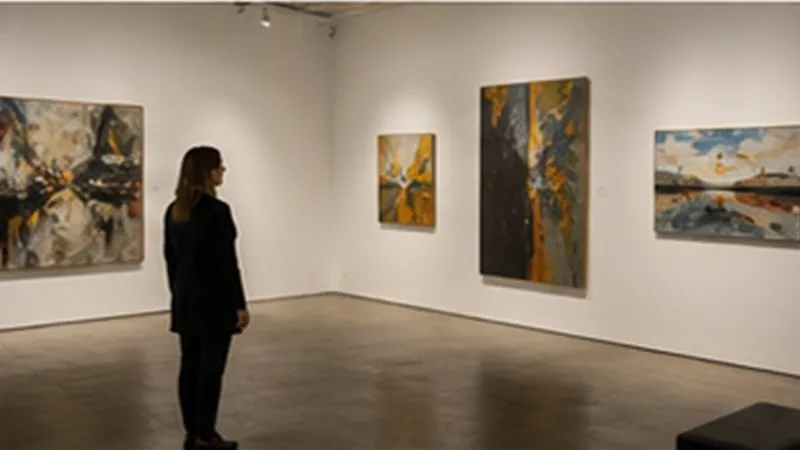
Goal: Exhibition website for artists, artworks and openings.
Content to prepare: Present artists, works and exhibitions with dates, techniques, dimensions and authorised images. Separate available, sold and archive-only works, with a contact to confirm status.
Decision to make: Assign artwork-status updates. An information or viewing enquiry must not implicitly reserve a work.
Acceptance question: Does each artwork identify artist, medium, dimensions and whether it is available, sold or exhibited?

Goal: Portfolio for paintings, exhibitions and sales.
Content to prepare: Organise works by series, with technique, dimensions and current status. Distinguish originals, reproductions and commissions, matching each image to the actual offered object.
Decision to make: Handle enquiries about unavailable works explicitly. Present commissions through agreed stages rather than as guaranteed copies.
Acceptance question: Does an artwork show title, dimensions and status without applying the original’s sales terms to a reproduction?

Goal: Art portfolio for works, commissions and background.
Content to prepare: Present works with material, dimensions, availability and display conditions. For commissions, gather intended use, location and discussion constraints, distinguishing models from completed works.
Decision to make: Define approvals for commissioned work. An existing artwork image must not promise an identical reproduction.
Acceptance question: Can a visitor distinguish a unique piece, an edition and a commission, including material, dimensions and display constraints?

Goal: Artisan website for collections, workshops and sales.
Content to prepare: Separate available pieces, small batches and commissions with dimensions, finishes and stated use. Match images to the correct item or variant, explaining relevant handmade differences.
Decision to make: Confirm quantity and finish before production. Batch photographs must not imply every available piece is identical.
Acceptance question: Does a ceramic piece state dimensions, intended use and care conditions actually approved for that item?

Goal: Portfolio for creations, commissions and workshops.
Content to prepare: Present pieces and techniques with dimensions, intended use and availability. For commissions, gather location constraints, quantities and reference intentions without treating a photograph as a complete specification.
Decision to make: Define when assessment precedes pricing. Separate available unique pieces from work needing production and specification approval.
Acceptance question: Is a glass piece presented with dimensions, possible variations and transport arrangements appropriate to its fragility?

Goal: Shop website for collections, custom orders and fairs.
Content to prepare: Prepare stated materials, dimensions, sizes, customisation and availability. Match photographs to the correct variant and separate ready-to-ship pieces from made-to-order work.
Decision to make: Approve size, inscription and finish before production. Keep customisation visible in the summary and confirmation.
Acceptance question: Does the selected jewellery retain size, material, personalisation and production time through order approval?

Goal: Showcase website for knives, craft and sales.
Content to prepare: Present references with workshop-approved materials, dimensions and intended uses. Separate stock, production and personalisation, identifying inputs for custom requests.
Decision to make: Approve model, finish and inscription before production. Match stated timing to the requested configuration.
Acceptance question: Does each knife state materials, dimensions and care for that model, distinguishing stock from made-to-order production?

Goal: Shop website for products, values and sales points.
Content to prepare: Describe each reference with approved composition, format, intended use and useful selection information. Separate documented product properties from atmospheric imagery and personal testimonials.
Decision to make: Assign approval of descriptions and claims. Review associated information when a formula or format changes.
Acceptance question: Do composition and advertised uses concern the exact soap sold, without turning product copy into a medical promise?

Goal: E-commerce website for collections and brand launch.
Content to prepare: Prepare models, sizes, stated fabrics and variant-specific availability. Separate stock, planned production and preorders, matching photographs and fit information to the relevant model.
Decision to make: Confirm size and preorder schedules. A proposed batch date must not be presented as assured dispatch.
Acceptance question: Does clothing selection retain the variant’s size, material, colour and stock through to the basket?

Goal: Appointment website for alterations and creations.
Content to prepare: Separate alterations, garment-making and any classes. Explain measuring, fitting and collection, with useful information on garment, fabric and requested date.
Decision to make: Distinguish remotely assessable enquiries from those requiring a fitting. Confirm feasibility before promising a fixed completion date.
Acceptance question: Does an enquiry distinguish alterations, dressmaking and remodelling, with fitting and timing to confirm?

Goal: Commerce website for collections, advice and hours.
Content to prepare: Describe objects and furniture with dimensions, stated materials, variants and availability. Separate display stock, orders and illustrative styling, explaining actual collection or delivery options.
Decision to make: Identify essential checks before purchase or travel. Make clear which items shown in styled photographs are actually included.
Acceptance question: Do dimensions and photographs identify the item sold without confusing styling props with included accessories?

Goal: Showcase website for objects, appraisal and contact.
Content to prepare: Present each object with dimensions, observed condition, detail photographs and documented provenance where available. Distinguish confirmed attribution from a hypothesis and identify known restoration or defects.
Decision to make: Assign availability and collection updates. Retain sold objects as archives only with a status distinct from current offers.
Acceptance question: Does the listing distinguish documented attribution, uncertain dating and restoration, preserving qualifications in its description?

Goal: Local website for new arrivals, services and events.
Content to prepare: Prepare unique-item records with measurements, condition and detailed photographs. Explain viewing, collection and enquiry arrangements rather than relying on a single general image.
Decision to make: Define when an item is held and for how long. Plan relisting or removal when its status changes.
Acceptance question: Is a sold item marked accordingly without implying that a unique piece remains available to order?

Goal: Presentation website for selection, calendar and loyalty.
Content to prepare: Present brands, references and categories with product-specific details. Separate editorial selection, store stock and online sales, identifying styling elements not included in the offer.
Decision to make: Choose the availability source for relevant channels. Products in older selections must not appear immediately orderable.
Acceptance question: Does the basket distinguish items, variants and collection conditions across brands without losing product-specific information?
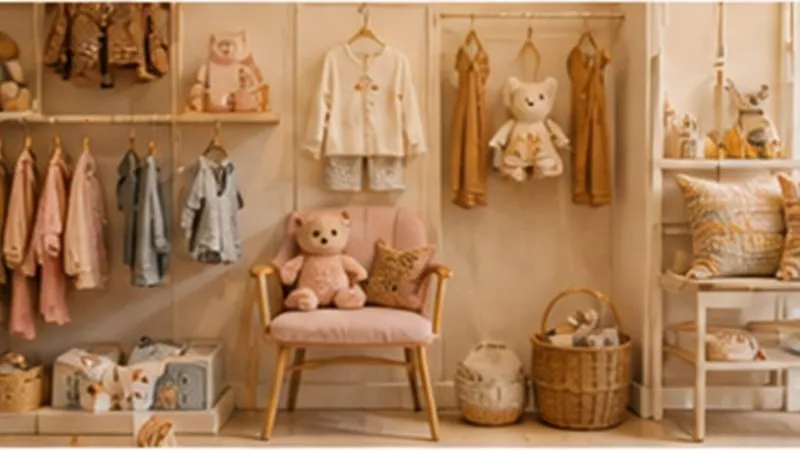
Goal: Commerce website for range, new items and gift lists.
Content to prepare: Prepare references, sizes, stated uses and approved product information, distinguishing variants. Contextualise selection guidance and separate actual items from accessories shown in photographs.
Decision to make: Confirm sizes or variants before collection. Age suggestions must not replace actual product characteristics.
Acceptance question: Are sizes, dimensions and uses tied to the exact item rather than treating an age range as universal?

Goal: Local website for brands, hours and advice.
Content to prepare: Match models, sizes, colours and availability to the right store or channel. Explain available sizing information and actual trial or collection arrangements.
Decision to make: Decide whether a request holds a size. Treat another model or width as a proposed alternative, not an assumed equivalent.
Acceptance question: Does the selected shoe size match the model’s sizing guidance and stock, with relevant conditions before purchase?

Goal: Appointment website for cuts, color and prices.
Content to prepare: Describe services with salon-approved factors affecting duration and price. Separate consultations from directly bookable work and show the practitioners actually available.
Decision to make: Qualify requests that change appointment length. Avoid offering a selected service in an insufficient time slot.
Acceptance question: Does the selected hair service retain duration, advertised price and options through slot selection?

Goal: Local website for home visits, services and contact.
Content to prepare: State travel coverage, services and practical home-appointment conditions. Distinguish service duration, travel time and any stated charges so the requested slot is understandable.
Decision to make: Confirm address, time and travel before acceptance. A form accepting an address does not establish service coverage.
Acceptance question: Does the appointment enquiry retain service address, coverage and any travel charges before confirmation?

Goal: Showcase website for appointments, prices and gallery.
Content to prepare: Separate individual and combined services with duration, stated price and practitioner. Prepare the establishment’s actual arrival, late-arrival and change arrangements.
Decision to make: Decide whether combined services use one slot or separate durations. Preserve all selected services and planned total duration in the summary.
Acceptance question: Does service selection distinguish haircut, beard and combined package without offering a slot shorter than the chosen service?

Goal: Booking website for treatments, gift cards and prices.
Content to prepare: Present services with stated duration, practitioner, stages and inclusions. Separate appointments, packages and extras, with descriptions and claims approved by the appropriate person.
Decision to make: Confirm suitable service and required time. Enquiries and package purchases must not promise guaranteed personal results.
Acceptance question: Does confirmation repeat the agreed service, duration and price without promising a guaranteed treatment outcome?
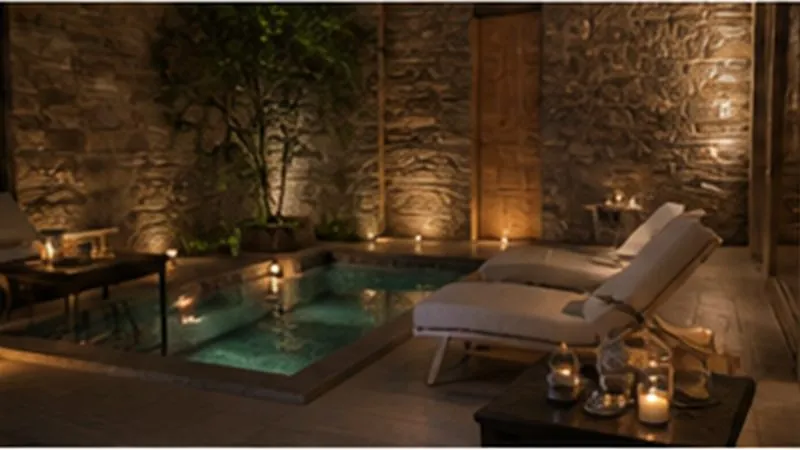
Goal: Presentation website for rituals, memberships and offers.
Content to prepare: Separate facility access, individual appointments and combined packages. Describe duration, included services, approved participation conditions and components requiring several resources.
Decision to make: Check room, equipment and practitioner together. A package request or payment must not hide a resource still unavailable.
Acceptance question: Do spa admission and treatment booking specify their separate durations, inclusions and slots?

Goal: Portfolio for styles, availability and contact.
Content to prepare: Present work styles, authorised examples and stages from initial discussion through design to appointment. Separate inspiration, adaptable proposals and approved designs, using studio-approved preparation information.
Decision to make: Confirm design, duration and appointment explicitly. Portfolio images must not imply automatic reproduction or booking without discussion.
Acceptance question: Can a project enquiry explain placement and intent without requiring public personal photos or confirming a session before discussion?

Goal: Personal website for programs, sessions and follow-up.
Content to prepare: Separate support formats by stated goals, audience and location. Present process, duration and verifiable qualifications, distinguishing sample sessions from individually agreed programmes.
Decision to make: Define initial discussion needs before agreeing scope. Standard packages must not imply universal suitability or guaranteed results.
Acceptance question: Can a visitor distinguish an individual session, programme and follow-up, including prerequisites and support limits?

Goal: Website for classes, retreats and bookings.
Content to prepare: Present classes with approach, stated level, duration, location and equipment. Separate trials, one-off classes and subscriptions, with reception information approved by the organiser.
Decision to make: Provide a route for people unsure which class to choose. A form preference must not automatically assign a level.
Acceptance question: Does the class state level, location, duration and required equipment before enrolment, without promising therapeutic results?

Goal: Local website for memberships, schedule and registrations.
Content to prepare: Separate independent access, group classes and individual support. For each plan, present usable hours, included services and reservations, dating the actual programme.
Decision to make: Define what a plan permits users to reserve and how places are confirmed. Notify existing participants when classes change or are cancelled.
Acceptance question: Does membership identify included activities, accessible hours and the selected package’s conditions?

Goal: Association website for lessons, tournaments and memberships.
Content to prepare: Separate membership, court booking, coaching and competitions. Prepare court types, hours, audience-specific access and the procedure when a court cannot be used.
Decision to make: Define booking rules for members and visitors. Reflect court closures in both available slots and affected existing reservations.
Acceptance question: Does court booking retain date, duration and access conditions without allowing the same capacity to be booked twice?

Goal: Website for schedules, levels, shows and registrations.
Content to prepare: Present disciplines with age groups, levels, venues and seasonal schedules. Separate trial classes, annual enrolment and performances, stating each activity’s intended audience.
Decision to make: Assign group placement and final enrolment. A booked trial must not imply a guaranteed annual place in that group.
Acceptance question: Does enrolment retain discipline, level, accepted age and the exact timetable of the selected class?

Goal: Association website for teams, results and volunteers.
Content to prepare: Organise teams, training, matches and registration by season. Assign calendar owners and photo permissions, separating public information from member-only data.
Decision to make: Assign enrolment confirmation and venue updates. Archived team pages must not advertise old training sessions as current.
Acceptance question: Is a change of venue or training session reflected in the calendar and member information?

Goal: Public website for events, memberships and news.
Content to prepare: Organise activities, workshops and events by venue, date and audience. Separate association membership from activity enrolment, assigning owners to the current programme and participation conditions.
Decision to make: Confirm places and waiting-list handling. Received membership must not imply guaranteed access to every workshop.
Acceptance question: Does the site distinguish membership, volunteering and activity registration, with a contact for each enquiry?

Goal: Website for local history and visits.
Content to prepare: Present places and activities with sources, dates and current information status. Separate historical accounts, ongoing projects and offered visits, including confirmed access limits.
Decision to make: Define approval and correction of records. Keep testimony identifiable rather than turning it into an established historical date.
Acceptance question: Does each historical item distinguish archive source, testimony and interpretation, respecting image rights?

Goal: Institutional website for actions, donations and reports.
Content to prepare: Explain mission, activities and governance using publishable documents and supported outcomes. Separate donations, partnership enquiries and support applications, with suitable inputs and contacts.
Decision to make: Make stated contribution use and follow-up visible. Distinguish a received support application from assistance already granted.
Acceptance question: Does a donation appeal identify the funded project and verifiable information about fund use without inventing outcomes?

Goal: Information website for missions, campaigns and support.
Content to prepare: Explain mission, activities and territories using publishable information, with sources and dates for reported outcomes. Separate donations, volunteering, partnerships and assistance requests by recipient.
Decision to make: Assign approval of figures and accounts before publication. Preserve the context of illustrations without implying they represent every activity.
Acceptance question: Does a mission result state country, period, method and source without presenting an illustration as a field photograph?

Goal: Mobilization website for local actions and calendar.
Content to prepare: Separate collective goals, agreed activities and proposals still under discussion. For public meetings, prepare date, venue, organiser, participation arrangements and an update owner.
Decision to make: Assign publishing and correction authority. An individual contribution must not appear as an adopted collective position.
Acceptance question: Does the page distinguish a proposal, an adopted decision and a report, clearly stating dates and participation arrangements?

Goal: Public website for formalities, news and services.
Content to prepare: Organise hours, contacts and procedures around actual municipal enquiries. Date temporary information and identify its owner, separating municipal notices, external links and archives.
Decision to make: Assign procedure updates and error reporting. Contact forms must not imply completion of procedures they do not handle.
Acceptance question: Can a resident find a procedure by need, with contact, required information and update date without knowing the organisation chart?

Goal: Information website for term of office, meetings and contact.
Content to prepare: Identify the role presented and separate mandate information, office hours and personal positions. Explain contact arrangements with actual handled topics and recipients.
Decision to make: Route enquiries appropriately without presenting a personal site as an administrative service desk. Assign office-hours updates.
Acceptance question: Can a reader distinguish personal views, elected duties and institutional information, with sources for cited decisions?

Goal: Election campaign website for program and public meetings.
Content to prepare: Present the candidacy’s identity, published documents and dated events. Separate programme material, practical notices and received contributions, attributing each statement clearly.
Decision to make: Assign publication and correction approval. Keep old meeting notices dated so they do not appear to remain open events.
Acceptance question: Does the site distinguish campaign calendar, manifesto and contact, clearly explaining how submitted contributions are handled?

Goal: Official website for biography, agenda and statements.
Content to prepare: Separate verified biography, dated news, authorised media and professional contact. Contextualise cited appearances, distinguishing official content, third-party publications and archives.
Decision to make: Assign information approval and professional enquiries. Links to external publications must not imply officially endorsed statements.
Acceptance question: Does the biography separate sourced facts, current roles and archives, with publishable portraits dated where useful?

Goal: Personal website for talks, topics and requests.
Content to prepare: Present topics with audience, format, duration and technical needs. Date and contextualise previous appearances, separating talks, participatory workshops and extended support.
Decision to make: Gather purpose, audience, venue, language and format before proposing an engagement. Initial contact must not automatically hold a date.
Acceptance question: Does a speaking enquiry state topic, audience, date and format without claiming unconfirmed availability?

Goal: Portfolio for roles, showreels and professional contact.
Content to prepare: Prepare career information, stated skills, authorised media and professional contact details. Identify work, role and context for excerpts, separating release news, negotiable availability and announced engagements.
Decision to make: Choose useful contact-supporting media without loading everything immediately. Assign professional enquiries and information updates.
Acceptance question: Does the portfolio distinguish role, production and year, with authorised clips and accurate representation contacts?

Goal: Official website for concerts, tracks and booking.
Content to prepare: Present repertoire, releases and concerts with relevant dates and contacts. Separate listening, purchasing and performance enquiries, identifying media credits and permissions.
Decision to make: Maintain dates and listening links while distinguishing announcements from bookings. Qualify venue, format and availability for performance enquiries.
Acceptance question: Are upcoming concerts separated from archives and linked to a valid date, venue and ticket page?

Goal: Tour website for dates, media and stage contact.
Content to prepare: Organise dates by tour or period, with venue, status and matching ticketing. Separate audience information from professional lineup, performance-format and technical details.
Decision to make: Assign postponed or cancelled date updates. Tour archives must not retain ticket offers for past performances.
Acceptance question: Does a booking enquiry identify line-up, duration and technical needs before confirming the performance?

Goal: Event website for services, references and quotes.
Content to prepare: Separate event contexts with duration, preparation and included equipment. Present sample programmes as discussion options, stating technical, travel and venue-coordination needs.
Decision to make: Approve programme and setup before confirmation. A date enquiry must not promise an unchecked technical arrangement.
Acceptance question: Does the enquiry retain schedule, venue, supplied equipment and sound constraints to agree with the organiser?

Goal: Cultural website for shows, dates and ticketing.
Content to prepare: Present shows with cast, stated audience, duration and touring status. Separate public dates from programming enquiries, matching media and technical needs to the correct version.
Decision to make: Define programming-enquiry inputs. A repertoire record must not imply current touring availability.
Acceptance question: Can a visitor distinguish an available show, an upcoming performance and an archive, including access to the stated venue?

Goal: Event website for lineup, tickets and practical info.
Content to prepare: Match programme, access and ticketing to the relevant edition, with precise dates and venues. Separate announced artists, confirmed times and pending information, assigning change sources.
Decision to make: Define stage, time and cancellation updates. Keep old editions readable without obscuring current practical information.
Acceptance question: Does a time or artist change appear in the programme, concert page and ticket information?

Goal: Event website for exhibitors, visitors and registration.
Content to prepare: Separate visitor, exhibitor and speaker journeys. Prepare dates, venue, access, dated programme and registration-specific conditions, linking stands and sessions to the correct edition.
Decision to make: Assign programme and registration sources of truth. Keep past editions readable without retaining active purchases or applications.
Acceptance question: Can an exhibitor or visitor find the correct registration journey, dates and conditions for their access?

Goal: B2B website for venues, formats and requests.
Content to prepare: Present seminar formats with purpose, expected group size, duration and venue constraints. Separate organisation, accommodation, catering and activities, identifying what each provider must confirm.
Decision to make: Assign the overall proposal and its assumptions. Distinguish illustrative programmes from offers with confirmed partner availability.
Acceptance question: Does the proposal distinguish venue, capacity, equipment and services to arrange, clearly identifying inclusions?

Goal: Showcase website for weddings, companies and visits.
Content to prepare: Describe spaces, layouts, stated capacities and equipment for offered uses. Prepare access, setup periods and included services, identifying components dependent on other providers.
Decision to make: Qualify date, format and group size before viewing. Do not apply one layout’s capacity automatically to every other layout.
Acceptance question: Does the venue show capacity by layout, access and equipment before collecting event date and format?

Goal: Presentation website for support and quote requests.
Content to prepare: Separate full planning, partial support and event-day coordination. Present stages, contacts and authorised examples, distinguishing the planner’s contribution from partners’ work.
Decision to make: Define decisions retained by the couple and work assigned to partners. A venue shortlist must not imply guaranteed availability.
Acceptance question: Does the scope distinguish coordination, planning and third-party services, identifying decisions retained by the couple?

Goal: Expert website for offers, work steps and contact.
Content to prepare: Describe engagements through problem, method, inputs and deliverables. Contextualise authorised examples with contribution, scope and outcome limits rather than implying identical expertise across every sector.
Decision to make: Choose initial scoping inputs. Separate exploratory discussion, proposal and an agreed engagement with approved scope.
Acceptance question: Does the page connect each engagement to a problem, deliverable and limitations without turning a method into a guaranteed outcome?

Goal: Personal website for coaching, workshops and appointments.
Content to prepare: Present audiences, supported objectives, formats and consultation stages. Separate exploratory meetings from agreed coaching, using anonymised examples without universal outcome promises.
Decision to make: Choose only information useful initially. Define the engagement’s scope before recommending duration or a suitable package.
Acceptance question: Can a visitor understand goals, arrangements and confidentiality before requesting an initial discussion?

Goal: B2B website for assignments, project examples and contact.
Content to prepare: Separate assessments, workshops and support by scope, method and deliverables. Retain source, period and assumptions for indicators or environmental claims, with appropriate approval.
Decision to make: Define expected outcomes and available data before work. Starting an initiative must not imply certification or outcomes already achieved.
Acceptance question: Does a reported sustainability indicator specify scope, period and method, preserving missing data as missing?

Goal: Firm website for jobs, candidates and companies.
Content to prepare: Separate employer and candidate journeys, with dated vacancies, recruitment status and enquiry owners. Explain application stages and the designated private-document process.
Decision to make: Assign vacancy closure and outstanding applications. Receipt confirmation must not imply shortlisting or a confirmed interview.
Acceptance question: Is an application linked to a vacancy and its status, with a mobile journey requesting only useful information?

Goal: Professional website for services, business creation and contact.
Content to prepare: Present services by audience, scope and inputs to review before proposing work. Separate general information, appointments and dossier transfer through appropriate channels.
Decision to make: Collect useful initial information without requesting confidential documents in an open form. Enquiries must not imply an accepted engagement.
Acceptance question: Does the journey distinguish an engagement enquiry, secure exchange of records and individual advice after case review?

Goal: Information website for practice areas and appointments.
Content to prepare: Describe stated practice areas, the firm and appointment arrangements. Separate general content from individual-case assessment, with qualifications, references and claims appropriately reviewed.
Decision to make: Provide initial routing without exposing private case files. Distinguish received enquiries, confirmed appointments and accepted engagements.
Acceptance question: Does the page present practice areas and consultation arrangements without treating a general example as advice for a particular case?

Goal: Presentation website for deeds, advice and contact details.
Content to prepare: Organise office-approved services, contacts, access and practical information. Separate general explanations, case-dependent documents and stages needing professional confirmation.
Decision to make: Separate contact from protected-document transfer. An appointment must not imply an act’s feasibility or completion has been confirmed.
Acceptance question: Does an enquiry identify the procedure and contact without inviting private deeds through a public channel?

Goal: Lead-generation website for individuals, independent professionals and SMEs.
Content to prepare: Separate needs examined, supported audiences and stages from enquiry to comparison and proposal. Explain initial inputs without encouraging private documents in an open message.
Decision to make: Define when information becomes an approved personalised proposal. A simulation or enquiry must not imply cover has been obtained.
Acceptance question: Can a visitor distinguish a coverage overview, applicable conditions and personalised assessment before submitting a need?

Goal: Simple simulation and appointment website.
Content to prepare: Present support stages, initial inputs and contacts. Separate illustrative simulations, personalised proposals and a lender’s decision, making the status of displayed results explicit.
Decision to make: Separate initial enquiry data from protected submissions. Form results must not imply financing has been granted.
Acceptance question: Does a simulation distinguish assumptions, an indicative result and financing approval without claiming that credit is already obtained?

Goal: Showcase website for wealth guidance and contact.
Content to prepare: Describe support, audience and stages from information to consultation and proposal. Present verifiable qualifications and scope, distinguishing educational examples from individual circumstances.
Decision to make: Provide an appropriate channel for private financial information. Numerical illustrations or appointments must not imply personalised recommendations or assured outcomes.
Acceptance question: Does the page separate general information, circumstances to assess and personalised advice without promising returns or downplaying stated limitations?

Goal: Catalogue website for courses, funding and registration.
Content to prepare: Present courses with objectives, audience, prerequisites, programme and actual delivery arrangements. Match dates, locations and availability to specific sessions, verifying certification and funding claims.
Decision to make: Separate enquiries, prerequisite checks and confirmed enrolment. Displayed sessions must not imply guaranteed places or financial support.
Acceptance question: Does a course distinguish objectives, prerequisites, assessment and the qualification actually offered before an enrolment enquiry?

Goal: Course website for companies, individuals and associations.
Content to prepare: Separate software, versions, levels and objectives by programme. Prepare equipment requirements and example exercises, distinguishing group sessions from support for a specific need.
Decision to make: Confirm level and equipment before enrolment. Training in one application must not imply coverage of every version or feature.
Acceptance question: Does the programme specify software versions, exercises and entry level so a learner can check suitability?

Goal: Local website for subjects, levels and availability.
Content to prepare: Present subjects, levels, locations or remote arrangements and useful learning-goal information. Separate trials, one-off lessons and ongoing tuition, with relevant availability.
Decision to make: Confirm level, time and purpose before the first lesson. Example progress must not become a promised grade or examination result.
Acceptance question: Does the enquiry retain subject, level, lesson format and availability before tutoring is confirmed?

Goal: Institutional website for education, admissions and visits.
Content to prepare: Organise information by stage or class, with curriculum, calendar and admission steps. Separate enquiries, visits, applications and enrolment, identifying contacts and documents for each stage.
Decision to make: Define when application documents enter the designated process. A received application must not imply admission or a guaranteed place.
Acceptance question: Can a family find accepted year groups, admissions procedure and fees without confusing an information enquiry with accepted enrolment?

Goal: Information website for places, educational project and contact.
Content to prepare: Present provider-approved care arrangements, hours and application stages. Separate general enquiries, visits and enrolment dossiers, identifying information needed at each stage.
Decision to make: Assign availability confirmation and family instructions. Received applications must not imply a place has been allocated.
Acceptance question: Does the enquiry distinguish age, period and requested hours from an allocated place, without collecting unnecessary family data?

Goal: Family website for programs, registration and outings.
Content to prepare: Present periods, age groups, locations and dated programmes. Separate day activities, courses and regular attendance, with participation and reception information approved by the team.
Decision to make: Handle complete and incomplete applications explicitly and confirm places. Clearly label previous holiday programmes as archives.
Acceptance question: Does registration state age range, dates, venue and conditions for the chosen activity, identifying places still awaiting confirmation?

Goal: Practical website for hours, access and patient information.
Content to prepare: Present cabinet-approved practitioners, locations, hours and reception arrangements. Separate practical information, appointments and person-specific exchanges through the team’s designated channels.
Decision to make: Assign contact and organisational updates. General forms must not request medical histories or imply immediate care.
Acceptance question: Does an appointment enquiry distinguish useful administrative purpose, practitioner and slot without requesting medical records in a general form?

Goal: Practice website for treatments, appointments and prevention.
Content to prepare: Organise team information, access, hours and appointments using cabinet-approved details. Separate service explanations from individual assessment, contextualising images and published examples.
Decision to make: Define enquiry channels and confirmation. Requested times or general pricing must not imply approval of an individual treatment.
Acceptance question: Can a visitor find appointment arrangements, access and a suitable contact without treating a general page as a dental diagnosis?

Goal: Information website for specialties, access and contact.
Content to prepare: Present practitioners, locations, hours and cabinet-approved access arrangements. Separate practical appointment information from health details unsuitable for a general contact enquiry.
Decision to make: Assign appointment booking and protected communication channels. A received message must remain distinct from a cabinet-confirmed appointment.
Acceptance question: Does the page distinguish consultation location, access arrangements and booking without promising identical clinical outcomes for everyone?

Goal: Local website for consultation reasons and appointments.
Content to prepare: Present the practitioner, locations, hours and actual practical appointment process. Have qualifications and published claims reviewed by the appropriate person before publication.
Decision to make: Collect booking information without requesting medical histories in a public form. Explain appointment conditions without promising a therapeutic outcome.
Acceptance question: Does the presentation state qualifications actually held and session arrangements without treating a testimonial as evidence of general effectiveness?

Goal: Reassuring website for support, prices and contact.
Content to prepare: Present professional-approved consultation scope, stated audiences, locations and practical arrangements. Separate practice information from personal details requiring an appropriate channel.
Decision to make: Define inputs for arranging an initial appointment. Received enquiries must not promise immediate availability or individual outcomes.
Acceptance question: Does the page explain first-contact arrangements and confidentiality without requesting an intimate personal history in a public form?

Goal: Local website for home care and contact.
Content to prepare: Publish professional-approved coverage, contact hours and arrangements. Separate practical enquiries from care requests, identifying initial inputs without open medical dossiers.
Decision to make: Assign service acceptance and appointment confirmation. Deferred forms must not imply an immediate response suitable for every situation.
Acceptance question: Can a visitor identify home-visit coverage and contact hours without confusing a delayed enquiry with urgent care?

Goal: Advice website for consultations, workshops and follow-up.
Content to prepare: Separate consultation formats, stated audiences and remote or in-person arrangements. Present the process and verified qualifications, keeping examples anonymised and contextualised.
Decision to make: Separate booking from personal-information handling. Packages and testimonials must not promise guaranteed individual results.
Acceptance question: Does the presentation distinguish consultation, follow-up and general information without promising weight loss or guaranteed individual results?

Goal: Personal website for sessions, audiences and appointments.
Content to prepare: Present individual sessions, groups and workshops with stated purpose, duration and location. Distinguish method descriptions, verifiable qualifications and testimonials rather than treating them as equivalent evidence.
Decision to make: Route enquiries to the appropriate format. Describe the offered scope without promising health improvements for every participant.
Acceptance question: Can a visitor understand the process and limits of support without the page presenting it as a replacement for healthcare?

Goal: Presentation website for guidance, workshops and contact.
Content to prepare: Present stated practices, process, prices and verifiable qualifications. Separate these details from health claims requiring substantiation; imagery or testimonials do not establish competence.
Decision to make: Limit presentation to actual services and supported claims. Booking must not imply a guaranteed diagnosis, treatment or medical outcome.
Acceptance question: Are practices and qualifications described accurately, without online diagnosis, cure claims or invitations to stop treatment?

Goal: Local website for frames, services and appointments.
Content to prepare: Separate the store profile, product selection and actual appointment services. Present useful frame characteristics and identify stages requiring discussion with the team.
Decision to make: Separate independent comparisons from checks needed in store. A displayed frame must not imply compatibility with every request.
Acceptance question: Does the appointment distinguish equipment information, availability checking and the service actually offered in store?

Goal: Information website for hours, services and advice.
Content to prepare: Publish approved address, hours, access and actual services. Date temporary information and identify the appropriate contact, separating general information from person-specific exchanges.
Decision to make: Assign hours and temporary-information checks. Availability enquiries must not imply a reservation or professional approval.
Acceptance question: Are duty hours and contacts sourced and dated, separate from an enquiry form without an immediate response?

Goal: Practical website for hours, emergencies and appointments.
Content to prepare: Present clinic-approved team information, accepted species, access and appointment arrangements. Separate practical information from requests requiring a professional response.
Decision to make: State actual response channels and hours. Messages or requested slots must not imply professional advice or confirmed care.
Acceptance question: Does the page distinguish routine appointments from emergency contact, including accepted species and actual service hours?

Goal: Local website for services, prices and booking.
Content to prepare: Describe services with accepted animals, duration to confirm and owner preparation. Separate routine care, special requirements and feasibility checks, identifying useful pre-appointment information.
Decision to make: Validate work when actual requirements change its duration. Match the stated price and slot to the accepted service scope.
Acceptance question: Does the enquiry identify animal, service and feasibility information without confirming a price before necessary checks?

Goal: Website for lessons, camps, boarding and registrations.
Content to prepare: Separate actual lessons, courses, rides and other activities, with approved audiences, levels and reception conditions. Present venues, supplied equipment and activity-specific schedules.
Decision to make: Assign suitability and availability confirmation. A time request must not automatically assign an activity or participant level.
Acceptance question: Does the selected lesson or course specify level, accepted age, equipment and dates before a place is approved?

Goal: Trade website for travel, services and contact.
Content to prepare: Describe services, travel and required location and animal information. Separate planned care, special requests and matters needing assessment, with arrangements approved by the professional.
Decision to make: Confirm coverage, access and duration before appointments. Separate recurring requests from an accepted schedule.
Acceptance question: Does a visit enquiry state commune, number of animals and need, with availability and conditions to confirm?

Goal: Information website for families, services and admission.
Content to prepare: Present actual accommodation options, included services and contact stages. Separate public information, visits and admission requests, identifying contacts for individual circumstances.
Decision to make: Assign availability and reception-condition confirmation. Visits or dossier requests must not imply a guaranteed place or admission.
Acceptance question: Can a family distinguish admission information, a visit enquiry and a confirmed available place, without uploading sensitive records to a general form?

Goal: Trust-building website for services, areas and requests.
Content to prepare: Separate actual services, coverage and arrangements with the person or their contact. Describe proposed frequency, limits and required organisation before support begins.
Decision to make: Confirm needs and schedules without private details in general forms. Received requests must remain distinct from organised visits.
Acceptance question: Does the enquiry describe service, commune and requested times without implying that a worker is already assigned?
Goal: Local website for menus, subscriptions and orders.
Content to prepare: Prepare delivery areas, days, time windows, meal contents and organiser-approved change arrangements. Separate preferences, offered options and requirements needing review before acceptance.
Decision to make: Confirm address and first delivery. Notify the recipient of menu or delivery changes rather than silently accepting substitutions.
Acceptance question: Does the delivered menu match the period, coverage and approved choices, with food information confirmed by the provider?

Goal: Showcase website for know-how, machinery and markets.
Content to prepare: Present product families or capabilities with applications, parameters and verifiable conditions. Separate standard offers, adaptations and custom development, tying specifications to a reference or scope.
Decision to make: Define enquiry inputs. Stated capacity must not imply every combination of material, quantity, precision and lead time is feasible.
Acceptance question: Can a technical enquiry identify need, quantity and constraints without publicly exposing drawings or confidential data?

Goal: B2B website for capacities, parts and quote requests.
Content to prepare: Describe processes, materials and parts with actual dimensional capabilities and limits. Separate supplied drawings, reference revisions and checks before quoting.
Decision to make: Confirm material, quantity and requirements with the client. Part photographs must not replace an agreed specification version.
Acceptance question: Does a displayed part distinguish material, dimensions and operations performed, without attributing subcontracted stages to the workshop?

Goal: Professional website for products, support and distribution.
Content to prepare: Present references, functions and characteristics with documented operating conditions. Separate components, assembled products and custom development, matching diagrams, variants and availability to the correct version.
Decision to make: Assign compatibility and requirement approval. One shared characteristic does not establish interchangeability.
Acceptance question: Does the technical listing match the manufactured version and reference, with validated rather than assumed specifications?

Goal: Expert website for projects, skills and tenders.
Content to prepare: Separate disciplines, study phases and deliverables with inputs and responsibilities. For publishable projects, identify role, assumptions and limits while removing confidential details accurately.
Decision to make: Define required specification maturity before engagement. Exploratory discussions or sample calculations must not imply an approved project-specific study.
Acceptance question: Does the engagement distinguish study, analysis, prototyping and supervision, with assumptions and deliverables for each stage?

Goal: Launch website for solution, demo and contact.
Content to prepare: Present use cases, audiences and available functions separately from planned development. Prepare demonstrations, inputs, integrations and handover arrangements beyond a feature list.
Decision to make: Agree trial criteria and permitted data. Successful demonstrations must not imply integration has been validated in the client’s environment.
Acceptance question: Does a demonstration show available functions using fictional data, separating delivered features from the roadmap?

Goal: Educational website for audits, advice and awareness.
Content to prepare: Present services with scope, required inputs and publishable redacted deliverables. Separate assessment, support and technical intervention, explaining the channel for non-public information.
Decision to make: Agree authorised systems and actions before intervention. Initial enquiries must not invite passwords or sensitive operational details.
Acceptance question: Does the page describe support scope and verifiable deliverables without promising absolute security or exposing sensitive access?

Goal: Commercial website for services, teams and requests.
Content to prepare: Separate inbound, outbound and follow-up services. State actual hours, languages, instructions, indicators and client-team exchanges, using a sample handover request.
Decision to make: Define handled, transferred and pending states. Answered-call counts must not be confused with resolved cases.
Acceptance question: Does the quote distinguish inbound calls, outbound calls and covered hours, with volumes and handling criteria to agree?

Goal: B2B website for offers, sectors and appointments.
Content to prepare: Present channels, hours, languages and response scope with information actually available to the provider. Prepare example requests, authorised answers and client-team referrals.
Decision to make: Assign case states and out-of-scope responsibility. Sent replies must remain distinct from confirmed resolution or completed client-system operations.
Acceptance question: Does the journey explain channels, service hours and escalation to the client without claiming instant resolution for every enquiry?

Goal: Local website for monitoring, guarding and quotes.
Content to prepare: Present actual services, coverage and response arrangements with verifiable qualifications. Separate public information from operational details requiring authorised discussion, contextualising publishable examples.
Decision to make: Define scoping inputs and service limits. Contact enquiries must not imply secured intervention or absolute protection.
Acceptance question: Do advertised services match actual scope, with verifiable qualifications and no sensitive operational detail?

Goal: Request website for homes, shops and companies.
Content to prepare: Separate assessment, installation, maintenance and any partner services. Identify premises, equipment and connection checks, distinguishing illustrative solutions from approved configurations.
Decision to make: Define pre-visit inputs and provider responsibilities. Installed equipment must not imply an uncontracted monitoring service.
Acceptance question: Does the enquiry distinguish installation, maintenance and monitoring, clearly identifying dependencies and third-party services?

Goal: Network website for members, meetings and memberships.
Content to prepare: Present network purpose, audience, membership arrangements and dated meetings. Separate members, partners and speakers, obtaining permission for published profiles and logos.
Decision to make: Assign membership and event acceptance. Network participation must not imply automatic endorsement of every member offer.
Acceptance question: Can a visitor distinguish a one-off event from membership, including prices, access conditions and organiser contact?

Goal: Town-center website for shops, events and news.
Content to prepare: Prepare shop records with activity, address, verified hours and update owner. Separate permanent offers, dated promotions and collective events, identifying actual participants.
Decision to make: Define member change requests and approval. Expired promotions or former members must not remain current network offers.
Acceptance question: Does each shop retain a current address, opening times and link, with someone responsible for correcting an inaccurate listing?

Goal: Public website for stallholders, hours and events.
Content to prepare: Separate venue opening hours from each trader’s attendance. Prepare stall records, product categories, access and dated activities, with an information owner for each record.
Decision to make: Assign absence and stall-change notices. An open market must not imply every trader is present.
Acceptance question: Can a visitor find opening days, access and actual traders without confusing market hours with each stall’s hours?

Goal: Portfolio for shoots, weddings and services.
Content to prepare: Separate filming, stage, event and photography services, including relevant preparation, equipment and travel. Contextualise portfolios by work type, contribution and publication permissions.
Decision to make: Gather inputs for crew and duration estimates. A short attendance service must not imply availability throughout an entire production day.
Acceptance question: Does a makeup quote distinguish occasion, venue, duration and participants, publishing portraits only under the permissions obtained?

Goal: Showcase website for image support and appointments.
Content to prepare: Present packages with purpose, process, duration and specific deliverables. Separate advice, shopping support and outfit preparation; examples should show scope without promising personal transformation.
Decision to make: Identify proposal inputs and included expenses. The support fee must not appear to automatically include purchases.
Acceptance question: Does the service distinguish advice, shopping assistance and possible purchases, identifying included and separate costs?

Goal: Professional website for languages, specialisms and quotes.
Content to prepare: Present language pairs, specialisms, supported formats and verifiable qualifications. Gather document, purpose, volume and deadline, separating translation, revision and editorial adaptation.
Decision to make: Confirm scope after reviewing content. Requested deadlines must not imply commitment before files and constraints are checked.
Acceptance question: Does the enquiry retain source and target languages, volume, subject and deadline without requesting public confidential documents?

Goal: Presentation website for events, languages and contact.
Content to prepare: Separate interpreting formats by languages, duration, venue and technical setup. Prepare programme, subjects and preparation documents, identifying information needing confidential exchange.
Decision to make: Assign team, equipment and organisation approval. Participant numbers or one language alone do not define the required setup.
Acceptance question: Does an interpreting quote specify languages, format, duration, venue and equipment before the engagement is confirmed?
Goal: Expert website for projects, studies and project examples.
Content to prepare: Present vessel types, design stages and deliverables with the practice’s exact role. Contextualise examples with actual assumptions and references, separating design, analysis, supervision and completed work.
Decision to make: Define phase-specific inputs and approvals. Design illustrations must not imply completed construction or universal technical validation.
Acceptance question: Does the reference distinguish design, analysis and build supervision, with vessel type and the practice’s exact contribution?

Goal: Portfolio for objects, heritage and requests.
Content to prepare: Present supported objects, documented initial condition and proposed stages. Contextualise before-and-after images with the intervention and permission, separating conservation aims from visible effects.
Decision to make: Inspect objects before proposing work where necessary. Photographic comparisons must not promise identical results for another piece.
Acceptance question: Does a conservation project distinguish condition assessment, treatment and documentation, preserving attribution uncertainties and photographic rights?

Goal: Professional website for production, artists and distribution.
Content to prepare: Present shows and formats with audience, duration, hosting needs and contacts. Match media, availability and technical information to the distributed version, separating public and professional information.
Decision to make: Confirm dates, venues and hosting conditions before commitment. Catalogue listings must not imply availability for every date or configuration.
Acceptance question: Does a performance enquiry identify show, date, venue and technical conditions before presenting a performance as confirmed?

Goal: Showcase website for offers, clear steps and quote requests.
Content to prepare: Separate creation, takeover, targeted improvement and maintenance, showing deliverables, client inputs and exclusions. Label fictional examples and distinguish authorised references to actual completed work.
Decision to make: Define a useful first release and agreed acceptance criteria. Separate initial delivery, recurring costs and work retained by the client team.
Acceptance question: Does the proposal distinguish creation, takeover and maintenance, clearly defining pages, responsibilities, dependencies and acceptance criteria?
A profession describes context; the real scope comes from the task a visitor must complete and the information the organisation can keep accurate.
Does the visitor ask for a slot, or secure one immediately?
Record resource capacity, changing opening hours, approval rules and the wording of customer and staff confirmations. A calendar image cannot establish availability.
Acceptance check: Try the last free slot, a simultaneous request, a change and a cancellation.
Which facts make a quotation request actionable?
Explain service limits, actual coverage, useful examples, the information needed for an estimate and which details require an inspection or conversation.
Acceptance check: Follow a short enquiry through receipt, assignment, clarification and final answer.
Is the information indicative, or can the item actually be ordered?
Identify variants, current availability, delivery conditions, return information and who can correct the product record when something changes.
Acceptance check: Compare a product card with the basket, order summary and confirmation, including an unavailable item.
Who can approve and maintain time-sensitive information?
Separate lasting explanations from dated events, eligibility rules and documents. Publish a source, validity period or contact route where a change could affect a decision.
Acceptance check: Ask someone unfamiliar with the organisation to find current information and report an outdated item.
The profession examples above describe possible needs. They are not client references or claims that the agency has delivered every scenario. Start by choosing a similar visitor task, then list the real information your organisation can supply: services, locations, prices or ranges, images, conditions and the person responsible for keeping them current.
If you later publish a completed project, identify your exact contribution, what the client authorised you to show and which outcomes can actually be checked. A screenshot or quotation needs context and permission. The case study guide provides a way to describe decisions without inventing performance figures.
For a shop or catalogue, prepare product identifiers, variants, stock responsibility and representative photographs before filling hundreds of cards. The product catalogue guide turns that work into an inventory and a small set of acceptance checks.
Online sales: a product card is just a starting point. Test variants, charges, accepted and declined payments, customer confirmation, team notification and fulfilment. The checkout guide sets out a small scenario matrix to try before opening sales.
Brochure or service site: follow a visitor enquiry from landing page to the message received. Check that service limits and the area actually served are clear. Before choosing how to operate the site, document domain, hosting and ownership.
Content and evidence: do not turn a possible scenario into a claimed client reference. If you publish a figure, quotation or qualification, record its source, date and permission. The source verification guide describes a review method.
A screenshot shows a design at one moment. Open a website and follow a real task to understand how its content, navigation and interface work together.
On a small screen, scroll the table horizontally.
| What to examine | A practical task | What it tells you |
|---|---|---|
| A directory or large catalogue | Find a specific item, apply a filter and remove it again. | Whether categories and filters match the way visitors search. |
| An editorial portal | Open a topic, identify a source and find a related explanation. | Whether the site offers context and a useful reading path. |
| A business presentation | Identify the offer, the area served and the next contact step. | Whether a new visitor can make a decision without guessing. |
| Any mobile website | Read a long title, open the menu and follow the primary action. | Whether the design supports everyday use on a small screen. |