
Estimated reading time : 3 min · Published October 2, 2026
Inventory uses before cookies
Begin with actual pages and actions: watching a video, using a map, submitting enquiries, subscribing or ordering. Identify scripts, pixels, embeds and contacted services. For each, record purpose, owner, activation point and configuration. An external request alone does not establish tracking; it identifies an element to examine.
The French CNIL distinguishes consent-dependent trackers from potentially exempt uses. Classification depends on actual purpose and conditions. Do not classify an entire service as exempt based only on its provider name. Validate purposes and keep configuration records supporting the decision. Other jurisdictions require their own applicable assessment.
Build four test states
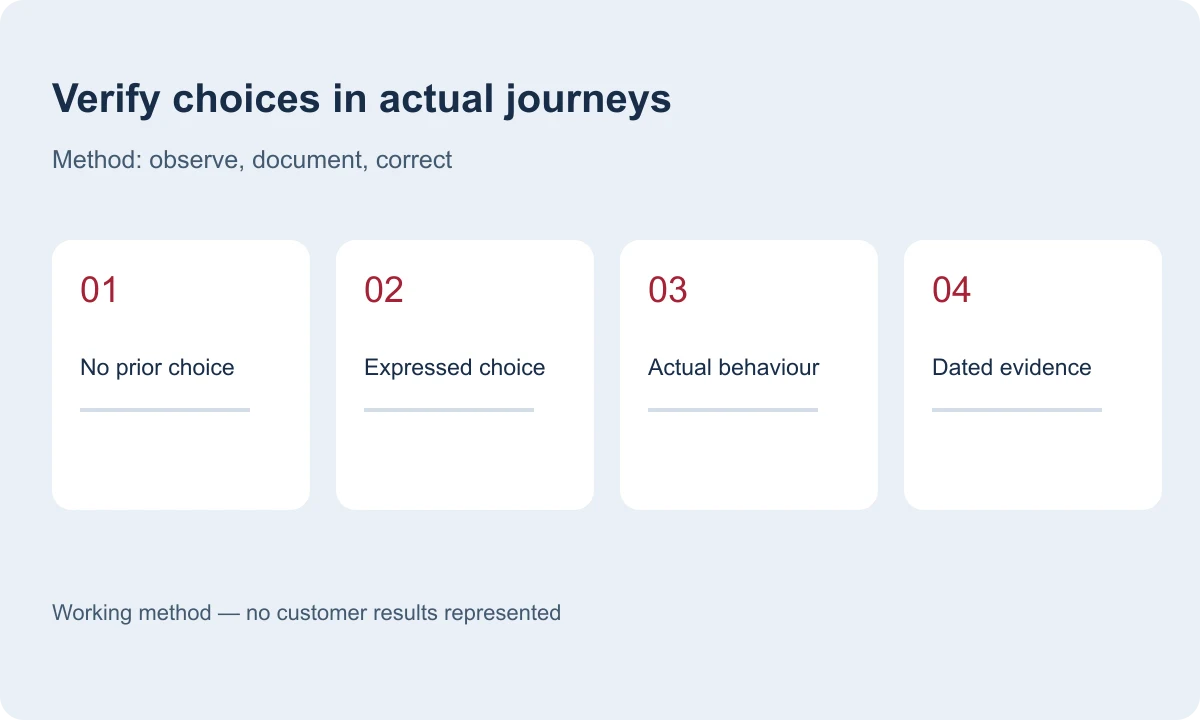
Prepare a fresh session without prior choices, then test rejection, acceptance by purpose where offered, and withdrawal of an earlier choice. Record page, browser, time, action and result. Compare relevant network loading and storage in each state. Existing histories or preferences can invalidate a trial.
In the initial state, examine services requiring prior permission. After rejection, navigation and intended alternatives should remain usable. After acceptance, verify that activated services match the chosen purposes. After withdrawal, check subsequent loading and documented retention rules; withdrawal does not automatically establish deletion of all historical data.
Compare interface and behaviour
The CNIL’s official FAQ discusses ways to express or decline choices in its French context. Record action count, clear labels, access to settings and understanding of purpose. Test keyboard operation, zoom and narrow screens.
Compare public information, the service inventory and live configuration. A removed provider still activated by an older tag is a defect. A save button that closes the interface without applying choices needs behavioural testing rather than another interface screenshot.
Preserve alternatives to external content
For maps, videos and widgets, describe what visitors can do when loading is unavailable. A text address or standalone explanation preserves essential information. A voluntary external link can help when its destination is clearly labelled. Do not replace a declined service with another third party creating the same issue.
Test unavailable JavaScript and content blocking when relevant to your audience. These trials reveal dependencies without establishing their legal classification. For forms, verify that error messages and useful contacts remain readable when external components are unavailable.
Keep review records and repeat after changes
Record each defect with consent state, steps, expected behaviour, observed result and required evidence. Avoid screenshots containing credentials, personal information or confidential parameters. Assign findings to the person responsible for the website or relevant service.
Repeat states after new tags, changed players, analytics changes or consent-manager work. Today’s verified setup can change on the next release. Use the acceptance log to record findings and status. The measurement guide helps examine which events are needed.
Reference documents
Content updated on October 2, 2026