External resource

National Geographic
Nature, science and discovery.
- Source scope
- International
- Destination
- www.nationalgeographic.com
Selection reviewed on
Open website — National GeographicObserving wildlife, gardening or understanding a habitat starts with a precise description rather than a hasty identification.
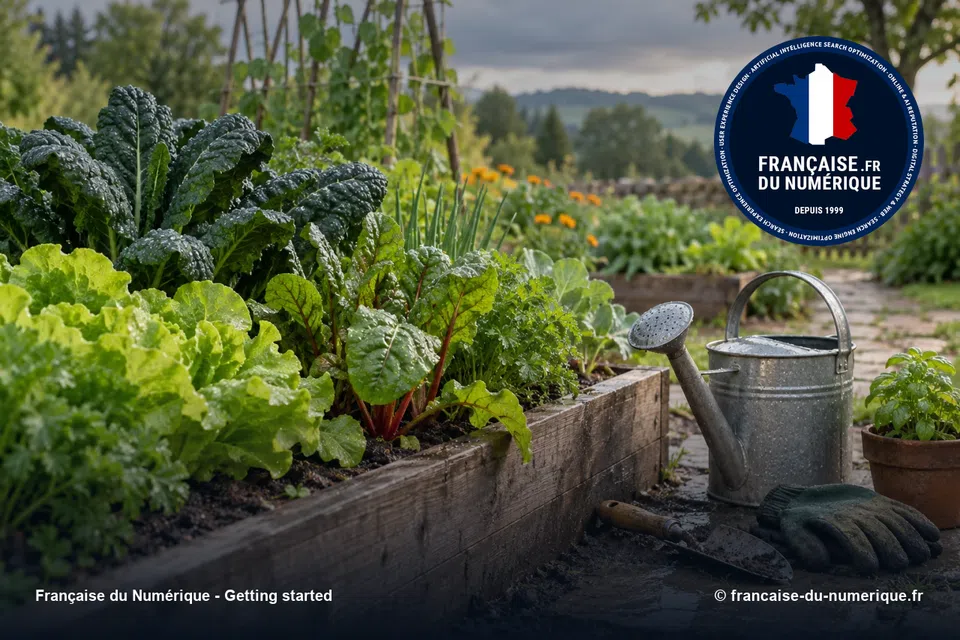
Record an observation with location, date and a usable image, then compare several identification features.
Distinguish confirmed observation from suggested identification; protect sensitive locations and private information.
National Geographic : Nature, science and discovery. iNaturalist : Wildlife observations and identification. WWF : Directory of national WWF offices and links to their conservation resources.
Keep the useful page address, your selection criterion and the date you consulted it.
Keep original photos, the general location, habitat and visible features. Treat the identification as uncertain and seek suitable advice; do not use a community suggestion to decide whether to eat or handle an organism.
An exact position may reveal a home or sensitive site. Review visibility settings and whether that precision is useful; share only the location detail needed for your nature study.
An app suggests a name for a photographed plant. Treat it as a lead to compare against visible characteristics and location.
Keep photos, date, habitat and distinctive details. Compare several documented criteria and state uncertainty instead of turning a suggestion into certain identification.
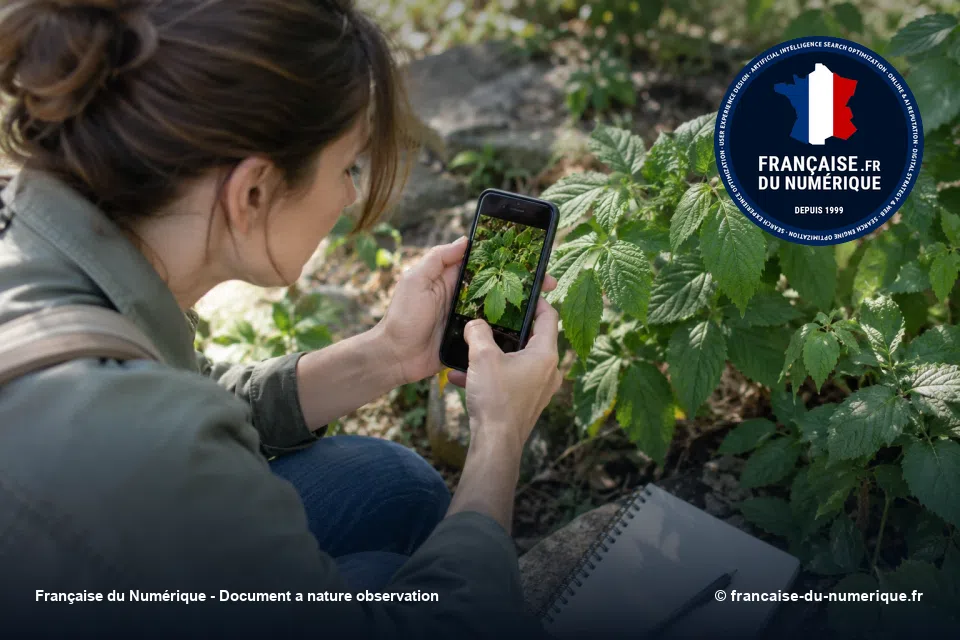
A single leaf may leave size, arrangement or flowers unknown. An incomplete observation calls for an explicit hypothesis rather than a definite species name.
| Information recorded | Research decision |
|---|---|
| Only one leaf is photographed; its arrangement on the stem is missing. | Add views without disturbing the habitat before comparing characteristics. |
| The application suggests two possible species. | Keep both hypotheses and look for distinguishing characteristics. |
Add missing characteristics without collecting specimens or disturbing the habitat. Keep the comparison steps and leave identification open when evidence is insufficient.
Additional source : iNaturalist · International
Back to resources →Search this selection by name, domain or text. Every word entered must match.
No resource found. Clear a filter or try a domain name.
Nature, science and discovery.
Selection reviewed on
Open website — National GeographicWildlife observations and identification.
Verification path
Learning example: adapt files, identifiers and conditions to a test copy before interpreting the result.
Research Grade follows criteria and community agreement; it can change. Agree only if you can justify the identification, not to thank the observer. A photograph may be insufficient to distinguish closely related species.Official documentation · iNaturalist · Data Quality Assessment
Official documentation · iNaturalist · Identification agreement
Selection reviewed on
Open website — iNaturalistDirectory of national WWF offices and links to their conservation resources.
Selection reviewed on
Open website — WWF
Exploring space or physics means separating observations, models and questions that remain open.
Comparing a product, repairing an item or planning building work means considering use and conditions.
A recipe explains a preparation; food safety also requires understanding handling and storage.